Analyst cites past USA’s setbacks in Iran operations, questions future strategy

By KEMI KASUMU
According to Obisesan, Obidi argued that successive administrations in Washington have at times overestimated U.S. military dominance in engagements involving Tehran.
International affairs analyst Akintoye Obisesan has highlighted what he described as a series of historical setbacks suffered by the United States in its confrontations with Iran, citing assessments by defense analyst Ezinwoke Obidi.
According to Obisesan, Obidi argued that successive administrations in Washington have at times overestimated U.S. military dominance in engagements involving Tehran.
Among the examples referenced was , the failed 1980 mission to rescue American hostages in Iran. The operation ended in disaster after multiple helicopter malfunctions during a sandstorm led to a collision at a staging site known as Desert One, killing eight U.S. servicemen. The episode later prompted reforms in U.S. special operations coordination, including the establishment of the U.S. Special Operations Command (USSOCOM).
Obisesan also cited Iran’s 2011 capture of a U.S. RQ-170 Sentinel surveillance drone. Iranian authorities claimed they were able to bring the aircraft down through electronic interference and later displayed what they said was the largely intact drone. Tehran subsequently unveiled domestically produced unmanned aerial vehicles that analysts say were influenced by the captured technology.
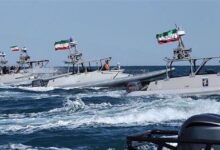
In 2016, two U.S. Navy patrol boats inadvertently entered Iranian territorial waters near Farsi Island, leading to the temporary detention of 10 American sailors. Images and video of the sailors in custody circulated widely before their release.
Another incident referenced was the 2019 downing of a U.S. RQ-4A Global Hawk drone by Iran. Tehran maintained the aircraft had violated its airspace, while the Pentagon insisted it was operating over international waters. The episode heightened tensions between the two countries.
Obisesan further pointed to what he described as , alleging that U.S. strikes involving bunker-buster munitions targeted Iranian nuclear facilities at Fordow, Natanz and Isfahan. He claimed that while U.S. officials reported significant damage, subsequent satellite imagery suggested parts of the facilities remained operational. Independent verification of those claims has varied.
Obisesan said the pattern of events spans multiple administrations, from to , and argued that policymakers should carefully weigh past outcomes in considering any future action involving Iran.
U.S. officials have historically defended their actions as necessary to safeguard national security and regional stability, while tensions between Washington and Tehran continue to shape security dynamics in the Middle East.