Sultan, CAN president, SGF back religious approach to fighting corruption at NIREC meeting
*Irrespective of personal opinions about Tinubu, other leaders’ performances,pray for them,front seek their downfall – Sultan
By KEMI KASUMU and OUR REPORTER, Abuja

The Sultan further warned against the use of stolen or corruptly obtained funds for religious purposes, including the sponsorship of Hajj or other pilgrimages, stressing that corruption could not be sanctified through religious activities.
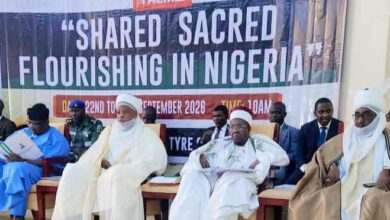
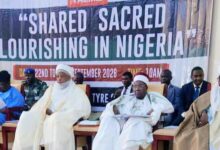
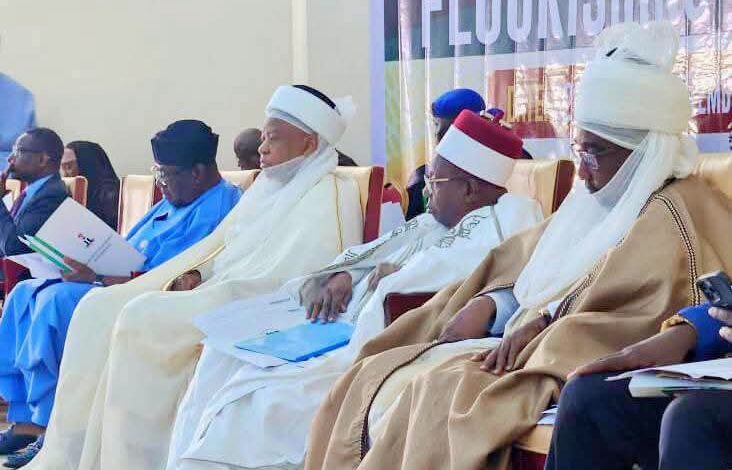
The second 2026 Council Meeting of the Nigeria Inter-Religious Council (NIREC) was held in Abuja on Wednesday, September 23, 2026, under the theme, “Shared Sacred Flourishing in Nigeria.”
The meeting brought together top Muslim and Christian leaders, traditional rulers, government officials and the leadership of the Economic and Financial Crimes Commission (EFCC) to deliberate on issues of national development, peaceful coexistence and the role of religious institutions in combating corruption.
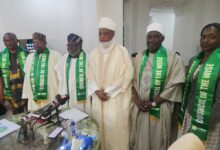
Notable among those present were the Sultan of Sokoto and President-General of the Nigerian Supreme Council for Islamic Affairs (NSCIA), His Eminence Alhaji Muhammad Sa’ad Abubakar III, CFR, mni; President of the Christian Association of Nigeria (CAN), His Eminence Archbishop Daniel Okoh; the Shehu of Borno, His Royal Highness Alhaji (Dr.) Abubakar Ibn Umar Garbai Al-Amin El-Kanemi, CFR; and the Emir of Zazzau, His Royal Highness Alhaji (Ambassador) Ahmed Nuhu Bamalli.
Also present was the Secretary to the Government of the Federation (SGF), Senator George Akume, who represented President Bola Ahmed Tinubu as the Special Guest of Honour at the inter-religious meeting.
Other dignitaries included the immediate past Registrar and Chief Executive of the Joint Admissions and Matriculation Board (JAMB), Professor Is-haq Oloyede, CON; NIREC Executive Secretary, Professor Cornelius Afebu Omonokhua; and EFCC Chairman, Mr Ola Olukoyede, among other religious, traditional and government leaders.
At the meeting, which also featured the presentation of an anti-corruption manual by the immediate past Registrar and Chief Executive of the Joint Admissions and Matriculation Board (JAMB), Professor Is-haq Oloyede for Christian and Muslim religious leaders, the Sultan, who is Co-Chairman of NIREC, called on religious leaders to move beyond mere tolerance to genuine understanding and cooperation.
He said greater understanding between Christians and Muslims would make it possible for both communities to work together for the good of Nigeria.
The Sultan also urged religious leaders to stop shielding corrupt persons, regardless of whether they are pastors, imams, relatives, friends or influential members of their religious communities, and called on the EFCC to prosecute anyone who breaks the law.
He further warned against the use of stolen or corruptly obtained funds for religious purposes, including the sponsorship of Hajj or other pilgrimages, stressing that corruption could not be sanctified through religious activities.
The Sultan’s warning against using corrupt funds to sponsor pilgrims was also reported from the meeting.
He urged religious leaders to exercise restraint in their sermons, prayers and other religious gatherings as the country approaches the 2027 general elections, and to avoid using places of worship to attack or campaign for political actors.
Sultan Abubakar, who is also a Co-President of Religions for Peace, called for prayers for President Bola Ahmed Tinubu, governors and members of the National Assembly, irrespective of personal opinions about their performance, rather than prayers for their downfall.
Okoh: Christians, Muslims Must Move Beyond Dialogue
Speaking at the meeting, the CAN President and NIREC Co-Chairman, Archbishop Daniel Okoh, said Christians and Muslims should move beyond dialogue and tolerance to practical cooperation for the common good.
He identified insecurity, poverty, unemployment, inequality, communal tensions and the crisis of trust as challenges that could not be effectively addressed from isolated religious or sectional perspectives.
Okoh said the concept of “Shared Sacred Flourishing” did not require Christians and Muslims to compromise their distinctive beliefs.
Rather, he said, both faiths could draw on values such as love, compassion, mercy, justice, forgiveness and service to contribute to national development.
He specifically called for Christian-Muslim cooperation in peacebuilding, education, youth development, humanitarian assistance, poverty reduction, ethical leadership and the protection of vulnerable people.
He also delivered a strong message on human dignity, saying:
“The suffering of a Christian should concern a Muslim, just as the suffering of a Muslim should concern a Christian.”
He added that whenever any Nigerian is killed, displaced, kidnapped or deprived of dignity, “our common humanity demands that we care.”
Omonokhua: NIREC Sustained for 27 Years
In his Secretariat report, the NIREC Executive Secretary, Professor Cornelius Afebu Omonokhua, said the Council had been sustained for 27 years through the commitment of political and religious leaders.
He condemned the weaponisation of religion for selfish interests, warning that those who profit from religious conflicts could push Nigeria towards a religious crisis.
Omonokhua, who presided over his final NIREC meeting as Executive Secretary following the expiration of his tenure, said the Council would continue to condemn statements contrary to peace and human dignity and remain non-partisan.
He also highlighted the Anti-Corruption Preaching and Teaching Manual, developed through the EFCC’s Interfaith Anti-Corruption Advisory Committee, as an initiative designed to help Christian and Muslim religious leaders incorporate anti-corruption teachings into sermons and religious education.
Akume, Olukoyede Speak
The SGF, Senator George Akume, representing President Bola Ahmed Tinubu, urged religious and traditional leaders to help strengthen national security and prevent religious and ethnic tensions ahead of the 2027 elections.
He also announced plans for state-level NIREC forums involving police commands, INEC officials and religious representatives to identify potential electoral flashpoints.
EFCC Chairman Ola Olukoyede said corruption and financial crimes had no religion or tribe.
He urged pastors and imams to challenge the culture of celebrating unexplained wealth and use their platforms to promote integrity, accountability and honest living.
Olukoyede also called on religious institutions to play a more active role in preventing corruption by shaping the values and character of their followers, stressing that the fight against corruption should not be left to law-enforcement agencies alone.
The EFCC’s Interfaith Anti-Corruption Manual was presented as part of the Commission’s engagement with Christian and Muslim religious leaders in strengthening anti-corruption education and prevention.
In essence, the Abuja meeting focused on the role of religious institutions in combating corruption, promoting peaceful coexistence and strengthening national cohesion, with the Sultan urging religious leaders to reject corruption and political incitement, Archbishop Okoh calling for practical Christian-Muslim cooperation, and government and EFCC officials stressing the importance of religious and traditional leaders in the fight against corruption.