Qatar PM Visits Tehran, Says doesn’t believe in US Isolation Strategy Against Iran
*As Doha Pushes for U.S.-Iran Dialogue
Iranian Parliament Speaker Ghalibaf reportedly told Al Thani that an economic blockade would not achieve Washington’s objectives and called on the United States to honour commitments contained in the earlier Islamabad memorandum.
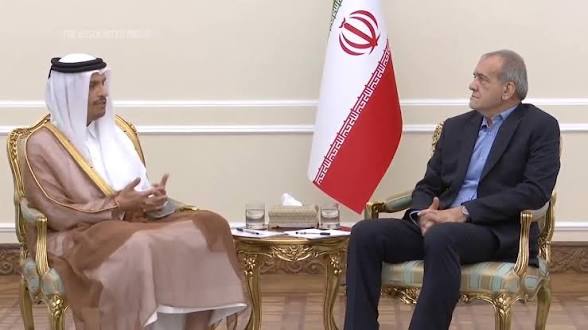
Qatar’s Prime Minister and Foreign Minister, Sheikh Mohammed bin Abdulrahman Al Thani, has visited Tehran as Doha intensifies diplomatic efforts aimed at easing tensions between Iran and the United States and creating conditions for a resumption of negotiations.
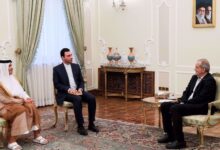
The August 27, 2026 visit, during which the Qatari premier rejected United States strategy to isolate Iran from the world, followed Washington’s announcement of economic sanctions with intent to pressure Tehran to surrender.
The visit also came amidst a growing regional diplomatic push involving Qatar, Oman and Pakistan. Al Thani’s trip came after visits to Tehran by Oman’s Foreign Minister Badr Albusaidi and Pakistan’s Army Chief, Field Marshal Asim Munir, as regional powers seek a way to prevent the prolonged U.S.-Iran confrontation from escalating further.
During his visit, the Qatari premier met Iranian President Masoud Pezeshkian, Foreign Minister Abbas Araghchi, Parliament Speaker Mohammad Bagher Ghalibaf and senior security officials. Qatar said discussions focused on regional developments, reducing tensions and creating conditions for the resumption of dialogue between Tehran and Washington.
The visit also came shortly after Washington announced tougher economic measures against Iran. The United States has described its campaign as an effort to impose unprecedented economic pressure on Tehran, while Iran has rejected the strategy and warned against countries joining Washington’s sanctions campaign.
Iranian Parliament Speaker Ghalibaf reportedly told Al Thani that an economic blockade would not achieve Washington’s objectives and called on the United States to honour commitments contained in the earlier Islamabad memorandum.
Qatar has increasingly positioned itself as an intermediary between Washington and Tehran. Doha played a role in securing the June ceasefire that temporarily halted large-scale hostilities, although the ceasefire failed to produce a lasting diplomatic settlement. The latest initiative is therefore focused on finding a phased route back to negotiations rather than immediately resolving all outstanding disputes.
A major issue in the diplomatic effort is the Strait of Hormuz, through which a significant share of global energy supplies normally passes. Tehran and Oman have been discussing arrangements for maritime traffic, while Qatar has sought to encourage an agreement that could restore freedom of navigation and provide an opening for broader U.S.-Iran talks.
The diplomatic activity comes as Washington maintains that there are currently no formal negotiations with Iran. At the same time, Tehran has indicated that it remains open to diplomacy but wants sanctions lifted and previous commitments respected before making further concessions.