Attah of Aiyede emerges Chairman of reformed Ekiti State Council of Muslim Traditional Rulers
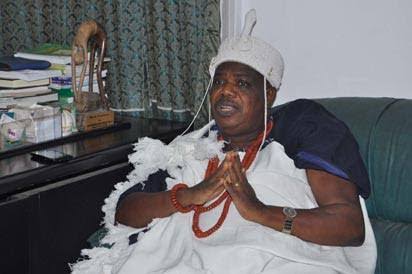
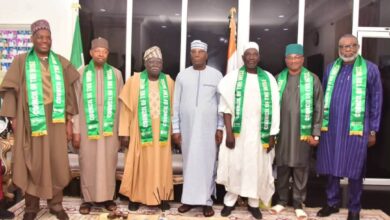
*Olosan of Osan is Secretary, with Onitaji, former NSCIA’s Vice President General, others as members
By KEMI KASUMU
The inclusion of two Pelupelu monarchs is expected to strengthen the influence and credibility of the council within both the traditional institution and the Muslim community in Ekiti State in particular, and Nigeria in general.
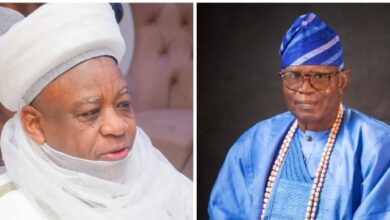
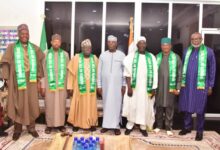
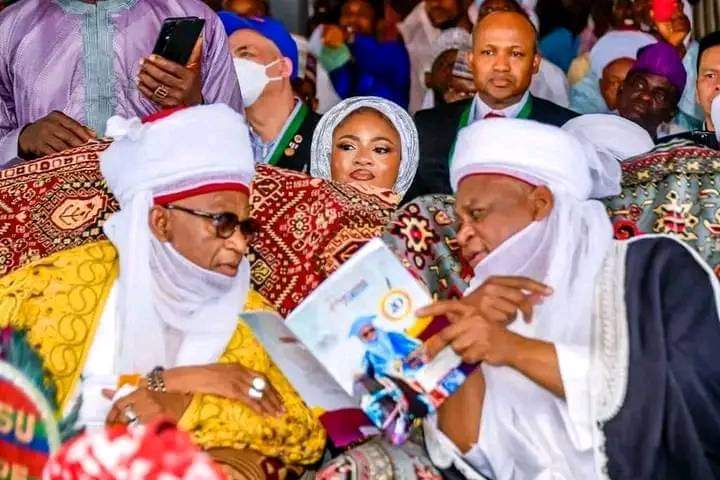
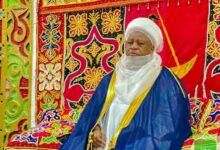
The Attah and Paramount Ruler of Aiyede Kingdom in Ekiti State, South West Nigeria, His Royal Majesty, Oba Alhaji AbdulMumini Adebayo Orishagbemi, has again emerged as Chairman of the newly reformed Ekiti State Council of Muslim Traditional Rulers.
The royal father disclosed this in an exclusive interview with The DEFENDER on asTuesday night, July 7, 2026, shortly after the council concluded its reorganization.
According to the Attah, His Royal Majesty, Oba Alhaji Tajudeen Bamidele Jimoh, the Olosan of Osan Ekiti, was elected Secretary of the council to work alongside him in providing leadership for the body.
The emergence of the two monarchs marks another milestone in the growing organization of Muslim traditional rulers across Ekiti State and the South West, where royal fathers have increasingly become active in promoting the unity, welfare and development of Muslim communities while advancing peace and socio-economic progress within their various domains.
Chairman of the council, Oba AbdulMumini Adebayo Orishagbemi occupies a highly respected position in the traditional institution of Ekiti State. He is the Paramount Ruler of Aiyede Kingdom and one of the sixteen Pelupelu—the state’s highest-ranking traditional rulers. His election is therefore seen as a significant development for the Muslim traditional institution in Ekiti.
Similarly, the newly elected Secretary, Oba Tajudeen Bamidele Jimoh, is a prominent monarch from Moba Local Government Area and is expected to bring his wealth of experience to the administration of the council.
The DEFENDER further gathered that the reformed council enjoys the participation of two members of the prestigious Pelupelu Council. Apart from the Attah of Aiyede, the other Pelupelu member is the Onitaji of Itaji Ekiti, His Royal Majesty, Oba Alhaji Adam Babalola, a distinguished Islamic leader who previously served as Vice President-General of the Nigeria Supreme Council for Islamic Affairs (NSCIA), South West, during the reign of the late 19th Sultan of Sokoto, His Eminence Alhaji Muhammadu Maccido.
The inclusion of two Pelupelu monarchs is expected to strengthen the influence and credibility of the council within both the traditional institution and the Muslim community in Ekiti State in particular, and Nigeria in general.
Meanwhile, The DEFENDER reliably gathered that the inaugural meeting of the reformed Ekiti State Council of Muslim Traditional Rulers will be hosted by its Chairman, Oba AbdulMumini Adebayo Orishagbemi, on August 6, 2026. The meeting is expected to deliberate on issues affecting Muslim communities across the state and chart a strategic direction for the council’s activities.
The emergence of the Ekiti council reflects a broader trend across Yorubaland, where Muslim traditional rulers have continued to organize themselves into structured platforms to promote the unity of the Muslim Ummah of Nigeria, strengthen collaboration among royal fathers, encourage peaceful coexistence, and contribute to community development.
In Ogun State, for instance, the involvement of traditional rulers in Muslim affairs has reached a notable level. The late Awujale and Paramount Ruler of Ijebuland, Oba Alhaji Sikiru Kayode Adetona, served as President-General of the Ogun State Muslim Council (OMC), providing remarkable leadership to the organization until his passing. He has since been succeeded by the Olowu of Owu Kingdom, Abeokuta, Oba (Professor) Saka Adelola Matemilola, while Alhaji Kamaldeen Akintunde continues to serve as the Council’s Secretary-General.
Observers believe the revitalization of the Ekiti State Council of Muslim Traditional Rulers will further deepen cooperation between traditional institutions and Islamic organizations in the state while enhancing the role of royal fathers in fostering religious harmony, peace, and sustainable development.