Putin’s surprise WMD initiative signals new Russian push in Middle East
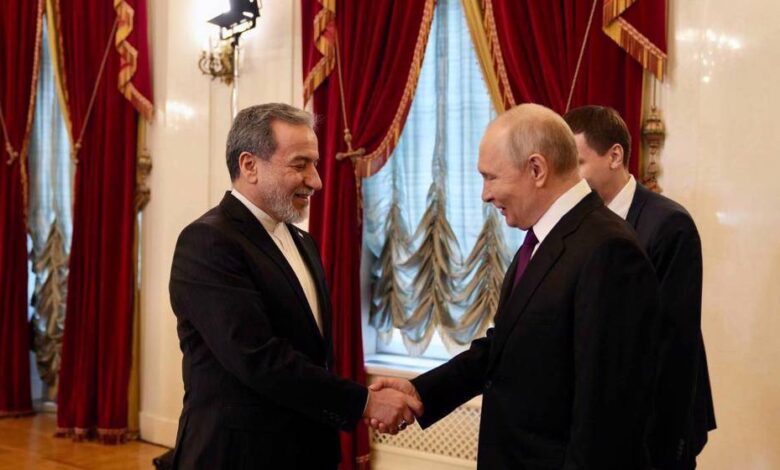
Some observers believe Moscow may attempt to use the proposal to counterbalance Western influence while expanding its diplomatic footprint following years of growing military and economic engagement across the Middle East.
Vladimir Putin has launched a surprise diplomatic and security initiative focused on weapons of mass destruction (WMD) policy in the Middle East, a move that is rapidly drawing international scrutiny and fueling speculation over Russia’s broader strategic ambitions in the region.
According to officials familiar with the discussions, Moscow is proposing a renewed regional framework aimed at limiting the spread of nuclear, chemical, and biological weapons across the Middle East while simultaneously expanding Russia’s influence as a key security broker.
The initiative reportedly includes calls for expanded security consultations among regional governments, tighter oversight mechanisms, and renewed dialogue on the long-discussed concept of a WMD-free zone in the Middle East.
The announcement comes at a time of heightened instability across the region, with ongoing conflicts, rising tensions between regional rivals, and increasing concerns among world powers about arms proliferation.
Analysts say the Kremlin’s timing appears deliberate, positioning Russia as a central diplomatic actor while Western governments remain focused on multiple global crises.
Russian officials framed the proposal as a “stabilization effort” intended to reduce long-term security threats and prevent further escalation in volatile areas of the Middle East.
However, critics in Europe and the United States questioned Moscow’s motives, arguing the initiative may also serve to strengthen Russia’s geopolitical leverage and deepen military partnerships with strategic allies in the region.
Several Middle Eastern governments responded cautiously, with some welcoming renewed dialogue on regional security while others expressed skepticism over enforcement mechanisms and Russia’s long-term intentions.
Diplomats noted that previous efforts to establish a WMD-free zone in the Middle East have repeatedly stalled due to political disagreements, security concerns, and mistrust among regional powers.
Security experts say the initiative could also complicate existing negotiations involving global arms control agreements and regional defense arrangements.
Some observers believe Moscow may attempt to use the proposal to counterbalance Western influence while expanding its diplomatic footprint following years of growing military and economic engagement across the Middle East.
International reactions are expected to intensify in the coming days as governments seek clarification on the scope of Russia’s proposal and whether formal negotiations could follow.
The development has already triggered urgent discussions among foreign policy analysts over the possible impact on regional alliances, arms control diplomacy, and the broader balance of power in the Middle East.