Our airspace, airfield not available for US attack on Iran, Saudi Arabia, Kuwait tell Trump
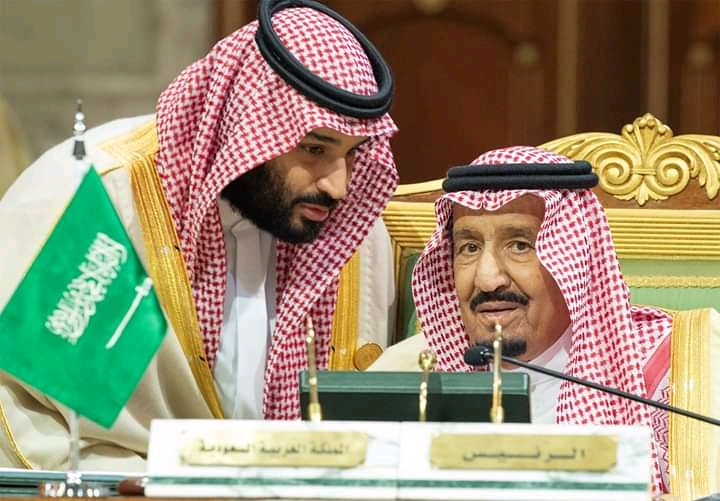
This has been deduced as main reason US President Donald Trump withdrew his project freedom mission to provide safe passage for commercial vessels through the Strait of Hormuz, a reason he did not make public but simply announced as agreement by US and other countries.
An increasing number of countries are reportedly refusing to allow the United States to use their airspace or military facilities for potential operations against Iran, amid rising tensions over Tehran’s nuclear program and regional security concerns.


This has been deduced as main reason US President Donald Trump withdrew his project freedom mission to provide safe passage for commercial vessels through the Strait of Hormuz, a reason he did not make public but simply announced as agreement by US and other countries.
Several Gulf and European nations, including Saudi Arabia, the United Arab Emirates, Qatar, Kuwait, Austria, Switzerland and Italy, have either publicly denied or restricted U.S. military access linked to possible strikes on Iran, according to multiple reports.
Austria confirmed last month that it rejected U.S. requests to use its airspace for military operations involving Iran, citing the country’s neutrality laws. Switzerland also said it denied several U.S. overflight requests connected to the Middle East conflict.
In the Gulf region, governments have increasingly sought to avoid being drawn into a broader confrontation between Washington and Tehran. Reports indicate that Saudi Arabia, the UAE, Qatar and Kuwait informed U.S. officials they would not permit their territories or airspace to be used for attacks on Iran.
Iran has repeatedly warned neighboring states against assisting military action against the Islamic Republic, saying any country that facilitates attacks could face consequences.
At the same time, Iranian leaders continue to defend the country’s nuclear activities as a sovereign national right. Tehran has consistently argued that its nuclear program is intended for peaceful purposes and falls within its rights under international law and the Nuclear Non-Proliferation Treaty (NPT).
Iranian officials have rejected U.S. demands to dismantle the program, insisting the country will continue developing its nuclear and missile capabilities despite growing international pressure.
The diplomatic standoff comes amid heightened military tensions in the Persian Gulf and continuing disputes over maritime security, sanctions and Iran’s expanding nuclear activities.