Iran seizes ships in Strait of Hormuz after Donald Trump announced delay in renewed attacks
By KEMI KASUMU with Agencies
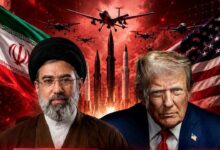
Iran has, however, continued to emerge stronger in this US-Israel jointly created war situation as the Islamic Republic is able to continuously stand up to the aggressors beyond their expectations.
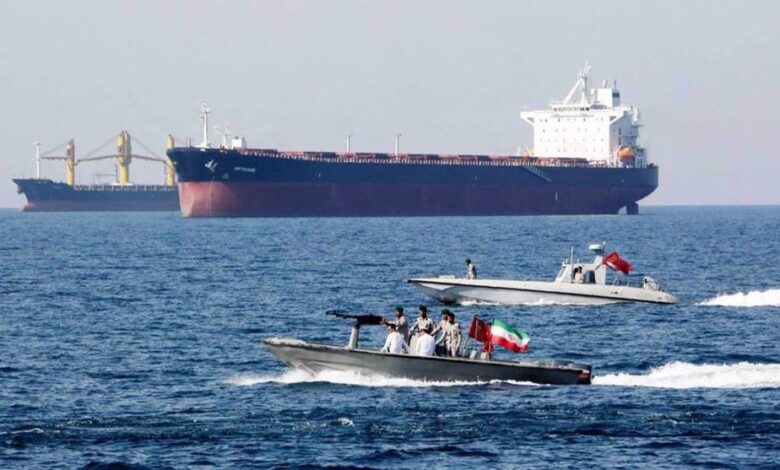
The Islamic Republic of Iran has seized two vessels in the Strait of Hormuz, escalating tensions a day after United States President Donald Trump said Washington would indefinitely delay renewed attacks on Iran.
The move comes amid growing uncertainty over a fragile ceasefire that had been in place for two weeks and was due to expire earlier this week. While Trump announced a unilateral extension to allow for potential peace talks, Iranian officials have not confirmed any agreement and have criticized the continued U.S. naval blockade, which they view as an act of war.
Recall that the Trump had viewed to resume dropping of bombs on Iran should Tehran fail o reach a deal as the Islamic Republic announced its loss of trust, belief and confidence in United States leadership thus affecting its sitting down with it on any negotiating table. Iran also vowed to meet America’s aggression – at any time it makes such attempt – with equal measure.
Iranian parliament speaker Mohammad Baqer Qalibaf said a meaningful ceasefire would require lifting the blockade. He argued that reopening the vital oil transit route was impossible under what he described as a “flagrant breach” of the truce.
The conflict, which began on February 28 following joint U.S.-Israeli strikes on Iran, has left the two sides in a tense stalemate. The Strait of Hormuz—through which roughly a fifth of global oil supply once passed—remains effectively closed, sending shockwaves through global energy markets. Oil prices have surged, with Brent crude rising above $100 per barrel.
Iran’s Islamic Revolutionary Guard Corps said it seized the ships over alleged maritime violations. The vessels, identified as the Epaminondas and MSC Francesca, were escorted to Iranian waters. Shipping sources reported that one vessel was fired upon but sustained no casualties.
The United States condemned the seizures as “piracy,” though officials said they did not constitute a ceasefire violation because the ships were not American or Israeli. Meanwhile, U.S. forces have continued enforcing a maritime blockade, reportedly turning away dozens of vessels and intercepting Iranian tankers in Asian waters.
Efforts to restart peace talks have stalled. Mediation attempts led by Pakistan have yet to bring both sides back to the negotiating table after planned discussions in Islamabad failed to materialize.
Key disagreements persist. Washington is demanding Iran halt uranium enrichment, while Tehran insists its nuclear program is peaceful and has called for sanctions relief, reparations, and recognition of its control over the strait.
The broader regional conflict also continues. In Lebanon, Israeli airstrikes have resumed, with at least five people reported killed on Wednesday, marking the deadliest day since a temporary ceasefire between Israel and Hezbollah was announced earlier this month.
With no clear timeline for negotiations and both sides maintaining hardline positions, the risk of further escalation in the region remains high. Iran has, however, continued to emerge stronger in this US-Israel jointly created war situation as the Islamic Republic is able to continuously stand up to the aggressors beyond their expectations.