Why US strike on Iran was delayed, Analysts say
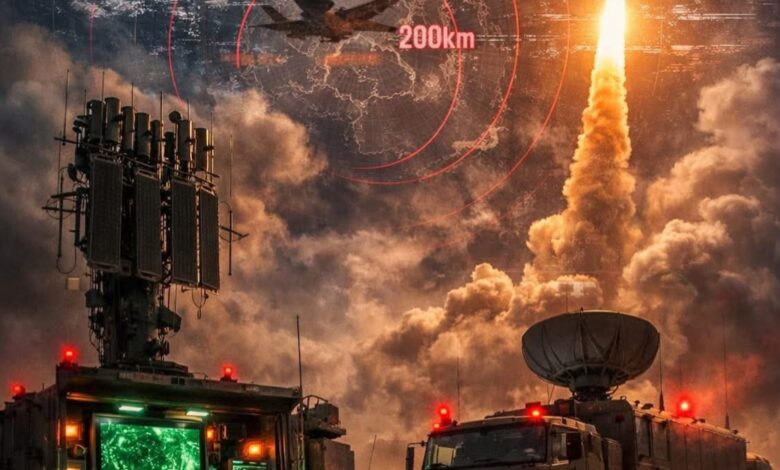
According to open-source assessments, Iran has been strengthening its radar and electronic warfare networks with help from foreign partners.
Reports circulating among military analysts suggest that planned U.S. action against Iranian targets may have been postponed due to Tehran’s rapidly improving air-defense capabilities, particularly in radar and electronic warfare, which some experts believe could complicate Western aircraft operations.


According to open-source assessments, Iran has been strengthening its radar and electronic warfare networks with help from foreign partners. For example, Iran has deployed new electronic warfare systems based on the Russian 1L257E Krasukha-4 EW complex, designed to disrupt airborne radar and navigation systems used by jets, drones and surveillance aircraft. This system has a reported range that could interfere with aircraft operations over several hundred kilometres, posing challenges to Western air missions.
In addition to these advancements, Tehran has been bolstering its overall air-defense architecture with long-range radar and missile systems. Independent reporting describes multiple domestic radar platforms integrated into nationwide detection networks, some featuring mobility and enhanced resistance to electronic countermeasures. These systems are intended to provide early warning and tracking of aerial threats.
Iran’s radar and air-defense posture is also being reinforced through external military cooperation. Analysts note that Tehran signed a secret arms deal with Moscow in late 2025 for modern shoulder-fired air-defense missiles and related equipment, which is expected to further complicate low-altitude threats in any future conflict scenario.
Meanwhile, Iran’s ballistic missile forces continue to develop weapons with guidance systems intended to operate despite jamming and countermeasures, which could pose additional challenges to adversary defenses. Independent sources note Iran’s deployment of medium-range ballistic missiles featuring optical or infrared guidance to improve resilience against electronic warfare.
U.S. and allied officials have so far declined to comment in detail on how these developments influenced specific operational timelines. However, analysts suggest that the combination of advanced radar, electronic warfare systems, and integrated air defenses increases the risks of a full-scale aerial assault — potentially contributing to delays in planned strikes.