2027: Why Tinubu and Aso Rock Are Panicking Over Atiku’s Subsidy Promise — Onochie
By KEMI KASUMU


Onochie further alleged that the benefits of subsidy removal had not translated into meaningful improvements in the living conditions of ordinary Nigerians.
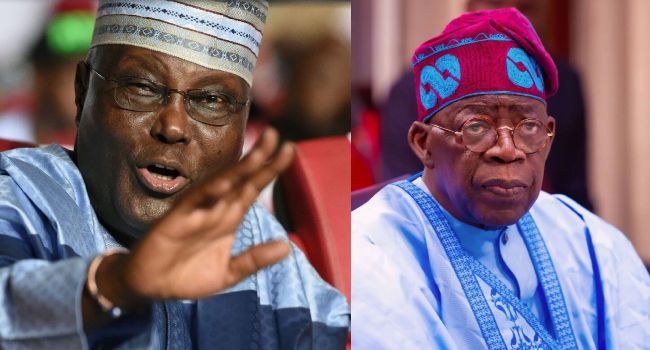
Former presidential aide Lauretta Onochie has claimed that President Bola Tinubu and his administration are concerned over the growing appeal of African Democratic Congress (ADC) presidential candidate Atiku Abubakar’s promise to restore fuel subsidy if elected in 2027.
Onochie made the claim in a statement titled “2027: Nigeria’s Year of Subsidy Restoration,” in which she argued that Atiku’s proposal had resonated with Nigerians struggling with rising fuel, transportation and food costs.
According to her, fuel remains a major driver of economic activity in Nigeria, affecting farmers, transport workers, students, traders, artisans and small businesses.
She said the removal of fuel subsidy by the Tinubu administration had placed additional pressure on households and businesses, alleging that the policy had contributed to rising poverty and hardship across the country.
Onochie further alleged that the benefits of subsidy removal had not translated into meaningful improvements in the living conditions of ordinary Nigerians.
She argued that Atiku’s proposed restoration of subsidy would not necessarily mean a return to the previous system, which she described as opaque and vulnerable to abuse.
Rather, she said the ADC candidate was proposing a “transparent, accountable and sustainable energy-support system” designed to reduce the cost of living while protecting public resources.
Onochie said such a policy could reduce petrol costs and subsequently ease transportation and logistics expenses, lower operating costs for small businesses and improve the purchasing power of workers.
She also argued that cheaper energy could help reduce food prices because farmers, transporters, processors and traders depend heavily on fuel throughout the agricultural supply chain.
According to her, reducing energy costs could also help moderate inflationary pressure, although other factors such as exchange rates, food production, insecurity, monetary policy and global commodity prices would continue to influence the economy.
Onochie said an Atiku-led ADC government would also strengthen social intervention programmes, including school feeding, youth employment, support for farmers, microcredit for traders and targeted assistance for vulnerable families.
She questioned the social impact of increased government revenue following subsidy removal, asking whether higher revenues could be considered a success if Nigerians continued to struggle with food and transportation costs.
“What is the value of increased government revenue if the citizens cannot afford food?” she asked.
“What is the value of impressive economic statistics if the workers cannot afford transportation? What is the meaning of growth if children are hungry and families are sinking deeper into debt and poverty?”
Onochie said Atiku’s proposal represented a broader plan to reconnect economic reforms with social welfare and make affordability a central issue in the 2027 presidential election.
She described the proposed agenda as one centred on “affordable energy, affordable food and affordable transport,” while urging Nigerians to support the ADC ahead of the 2027 elections.
The claims and projections contained in Onochie’s statement represent her political assessment and the ADC campaign’s position; they do not by themselves establish that President Tinubu or Aso Rock has formally expressed panic over Atiku’s subsidy proposal.
Read full text and watch video of the statement by clicking the link below: